Unlocking the Full Potential of Pressure Washing: From Instant Curb Appeal to Lasting Structural Protection
A home’s exterior faces an unrelenting assault from nature. Pollen, algae, mold, mildew, road grime, and hardened dirt don’t just dull the appearance of a property—they set off a slow chain of deterioration that can cost thousands of dollars in preventable repairs. Many homeowners still think of pressure washing as an occasional weekend chore, a quick blast of water to knock down spiderwebs before a barbecue. In reality, professional-grade exterior cleaning is a multi-layered discipline that blends engineering, chemistry, and hands-on experience to protect the very materials that shelter your life. The difference between a superficial rinse and a genuine deep clean can determine whether your siding stays vibrant for decades or needs premature replacement, whether your roof shrugs off moss or begins to rot, and whether your walkways remain safe or become slippery, stained hazards.
Understanding what true pressure washing entails—beyond the rented machine and the wobbly ladder—transforms the way you maintain your property. It is not about raw power alone; it’s about knowing when to dial up the pressure and when to let specialized detergents do the heavy lifting. It’s about recognizing that your home’s various surfaces, from asphalt shingles to cedar siding to stamped concrete, each speak a different cleaning language. In communities like Hall County, where humid summers, heavy pollen seasons, and thick tree cover create the perfect breeding ground for organic growth, a strategic cleaning schedule isn’t a luxury. It’s the single most reliable way to keep a home looking immaculate while preserving its structural integrity.
The Science and Strategy Behind Effective Pressure Washing
Not all water spray is created equal. The core of intelligent pressure washing lies in managing two variables that novices often overlook: pounds per square inch (PSI) and gallons per minute (GPM). PSI measures the force of the water exiting the nozzle, while GPM tracks the volume of water flowing through it. Many assume that higher PSI always equals faster, better cleaning, but that misconception is what leads to etched concrete, splintered wood, punctured window screens, and siding riddled with water intrusion. True professionals treat the pressure washer as a precision tool, not a blunt instrument. They understand that cleaning is a synergy of impact, heat, chemical reaction, and dwell time.
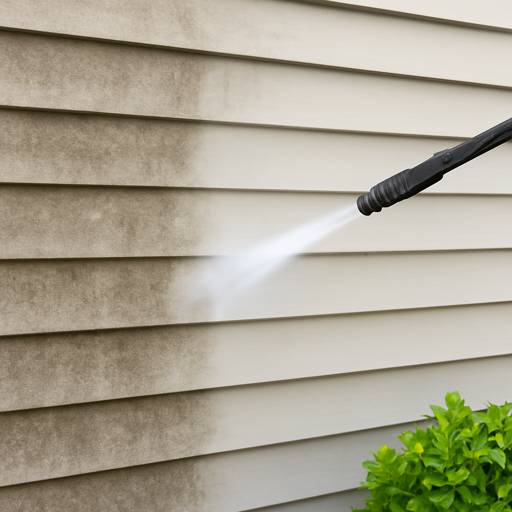
Consider the very different needs of a stained concrete driveway versus a painted wood porch or an asphalt shingle roof. A driveway can often withstand higher pressure—typically in the range of 2,500 to 3,000 PSI—along with a rotating surface cleaner that provides uniform coverage without leaving the zebra stripes amateur work so often creates. That same pressure turned on vinyl siding, however, would force water behind the panels, warp the material, and strip any protective oxidation layer. Here, the preferred technique becomes soft washing, a low-pressure method that relies on a blend of water, biodegradable surfactants, and algaecides to kill organic growth at its roots and gently wash away debris. The pressure rarely exceeds the force of a standard garden hose, but the cleaning solution’s chemistry penetrates into the porous surfaces where spores hide, ensuring that mold and moss don’t simply reappear two weeks later.
Roof cleaning, in particular, demands this thoughtful approach. Black streaks on shingles are almost always Gloeocapsa magma, a hardy airborne algae that feeds on the limestone filler within modern asphalt shingles. A blast of high-pressure water would dislodge the granules that protect the asphalt from UV rays, effectively shaving years off the roof’s lifespan. The same mistake can turn a minor cosmetic issue into a functional failure. That’s why advanced pressure washing services incorporate soft washing for roof surfaces, using a carefully mixed solution that kills the algae, letting it wash off naturally with rain over the following weeks. The roof emerges clean without a single granule knocked loose, and the treatment continues to inhibit regrowth, extending the time between necessary services.
Water volume, too, plays a huge role in efficiency. A machine delivering a higher GPM cleans faster because it flushes away the dirt and chemical slurry more effectively, even at moderate pressure. Commercial units, often mounted on trucks, maintain enough flow to rinse large areas quickly while keeping the pressure settings exactly where they need to be for each substrate. Coupled with accessories like telescoping wands for two-story homes and surface cleaners for flatwork, the equipment used in professional pressure washing turns a labor-intensive guess into a protected, predictable outcome. The moment you shift from thinking about blasting grime to engineering a cleaning process is the moment your home starts to age more gracefully.
Seasonal Cleaning Routines That Shield Your Home from the Elements
Good maintenance lives and dies by rhythm. Exterior surfaces don’t turn from pristine to beyond saving overnight; they degrade in increments, accelerated by seasonal spikes in moisture, debris, and biological activity. Establishing a cadence for pressure washing and related services anchors your property’s defense. The widely recommended baseline in regions with moderate to heavy foliage—like the wooded lots and lake-adjacent neighborhoods common in Hall County—starts with a full exterior house wash combined with driveway and walkway cleaning every 8 to 12 months. This interval catches the slow buildup of organic matter before it leaves permanent stains and before mold colonies reach deep enough to start digesting paint or etching into stone.
Windows deserve their own focused attention. Rain, pollen, bird droppings, and wind-borne dust cloud glass surfaces in layers, reducing natural light and trapping moisture against sills and frames. A schedule of 2 to 6 cleanings per year, depending on how close the property sits to trees, open fields, or busy roads, maintains clarity and protects the window seals from corrosive, acidic residue. A professional wash that pairs soft washing for frames with pure-water-fed pole systems for glass leaves a streak-free finish that simply can’t be matched by a bottle of blue spray and a roll of paper towels. More importantly, it spots developing problems—cracked glazing, failing caulk, early wood rot—before they grow into expensive window replacements.
Gutter service is the often-overlooked anchor of that seasonal rhythm. The recommendation of 2 to 4 thorough cleanings a year, with a non-negotiable focus on late spring and mid-autumn, prevents the kind of clogging that channels water directly into fascia boards, soffits, and foundation walls. In the fall, a single season of unbagged leaves can pack a gutter system so tightly that water spills behind the gutter, rotting the wood it’s attached to and pouring down along basement walls. Spring, on the other hand, brings a wave of pollen, seed pods, and the debris leftover from winter storms. A comprehensive pressure washing visit that bundles gutter clearing with flushing downspouts and rinsing the exterior removes the blockages while the crew is already on site, turning a reactive chore into a proactive shield. It’s the difference between spending a few hundred dollars on cleaning and spending thousands on foundation waterproofing or total gutter replacement.
Local conditions always tweak the schedule. A home perched under a canopy of pines and oaks will need attention more frequently than one in a new subdivision with minimal shade. The same holds for properties near water, where humidity feeds mildew at an accelerated pace. That’s why working with providers who understand regional climate patterns makes such a tangible difference. For those in North Georgia, where sticky summers leave a green film on north-facing siding and mild winters rarely kill off moss, the right cadence isn’t just maintenance—it’s a form of insurance. Tapping a seasoned local provider of Pressure washing who sees the same homes year after year means every visit builds on the last, with the team knowing exactly which walls are prone to algae and which gutters hold pine needles stubbornly long. That continuity prevents gaps and ensures the cleaning schedule genuinely matches the property’s needs.
Protecting Your Property Value and Structural Health Through Routine Exterior Cleaning
When homeowners postpone pressure washing and related exterior maintenance, they aren’t just allowing dirt to pile up; they are silently financing their own future repair bills. Organic growth like algae, mildew, and moss doesn’t sit passively on surfaces. It roots into microscopic pores, holds moisture against sensitive materials, and produces mild acids as part of its life cycle. On asphalt shingles, this translates to premature granule loss and curling. On wood decks and siding, it means soft spots, discoloration, and eventually rot that compromises structural integrity. On concrete, organic films become a slippery hazard that also accelerates freeze-thaw spalling when water penetrates and expands. A single dollar spent on professional cleaning routinely saves ten or more in replacement costs down the line.
Gutter neglect is a textbook example. When eavestroughs fill with debris and standing water, the overflow saturates the wooden fascia boards behind them. Over a surprisingly short timeline, that wood rots to the point where gutters pull away from the house entirely, taking sections of the roof edge with them. The cascade continues down to foundation walls, where excess moisture leads to cracking and interior leaks. Yet a simple combination of scheduled gutter cleaning and gentle soft washing to clear mildew from the gutters’ exterior breaks that chain of damage. It’s a low-cost, high-impact intervention that preserves the home’s entire moisture management system.
The aesthetic value is just as real, and it translates directly into dollars. Realtors consistently flag dirty siding, stained driveways, and foggy windows as deal-breakers that subtract perceived worth during a sale. A home that has been routinely maintained stands out in an online listing, communicating to buyers that the owners cared about the details. In contrast, a house with black roof streaks and green algae crawling up the brick sends a subconscious signal of deferred maintenance, often prompting lowball offers or requests for expensive concessions. A clean, bright exterior achieved through regular pressure washing is one of the most affordable investments in property value a homeowner can make.
Local companies built on a foundation of safety and meticulousness bring an extra dimension to this work. When the same individual who cleans your roof also trains to protect lives in high-stakes emergency scenes, a culture of careful preparation, detailed process, and situational awareness infuses every job. That mindset translates into scoping the property for weak spots before raising a ladder, tailoring the cleaning mixture precisely to the surface being treated, and never taking shortcuts that could cause water damage or etching. In Hall County and the surrounding communities, this level of conscientious service isn’t just a marketing claim—it’s a natural expression of a team that serves its neighbors both on the fire ground and at their front doors. The result is property maintenance that goes beyond clean, delivering genuine peace of mind.

Prague astrophysicist running an observatory in Namibia. Petra covers dark-sky tourism, Czech glassmaking, and no-code database tools. She brews kombucha with meteorite dust (purely experimental) and photographs zodiacal light for cloud storage wallpapers.