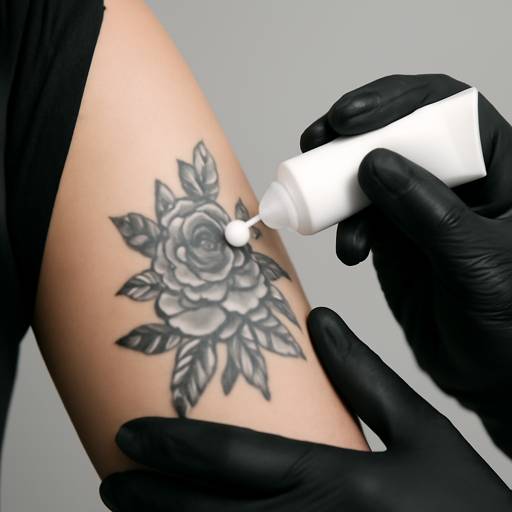
No More Gritting Your Teeth: The Complete Guide to Using Numbing Cream for Tattoos
For many, the thought of sitting through a tattoo session triggers a mix of excitement and dread. The buzzing needle, the raw sensation, the hours of discomfort—these can turn the dream of a beautifully inked body into a mental and physical challenge. Yet the landscape of body art is changing fast, and more people are discovering a simple, effective way to dial down the pain without compromising the final result. Numbing cream for tattoos has moved from a well‑kept studio secret to a mainstream tool that empowers both first‑timers and seasoned collectors. When used correctly, it allows you to relax into the chair, focus on the art, and even sit through longer sessions that would otherwise test your limits.
Understanding how these creams work, when to apply them, and how to pick a legitimate, high‑quality formula is the key to a smoother experience. This article dives deep into the science behind topical anaesthesia for tattooing, explores the real‑world scenarios where it makes the biggest difference, and gives you practical advice on choosing and applying a product you can trust—whether you are preparing for delicate fine‑line work or a full‑colour chest piece.
How Tattoo Numbing Cream Interacts with Your Skin
At its core, a numbing cream for tattoos is a topical anaesthetic that temporarily blocks the nerve signals responsible for sending pain messages from your skin to your brain. The active ingredients are typically amide-type anaesthetics such as lidocaine, prilocaine, or sometimes tetracaine. These compounds work by stabilising the membranes of nerve cells, preventing the rapid influx of sodium ions that would normally trigger an electrical impulse. In simple terms, the cream puts the superficial nerve endings in the treated area to sleep, creating a window of pain relief that can last anywhere from one to three hours depending on the formulation and your skin’s metabolism.
What makes a cream effective for tattooing is its ability to penetrate the outermost layer of the skin—the stratum corneum—without damaging the living tissue beneath. Most tattoo‑specific numbing products are water‑based or emulsified creams designed to cross this lipid barrier. Once the active ingredients reach the dermis, where tattoo needles deposit ink, they dull the sharp, stinging sensation that many people find hardest to endure. It is important to note that these creams do not numb deep muscle or bone, but they significantly reduce the surface pain that dominates during outlining and shading. The sensation you are left with is often described as a muted vibration or pressure rather than a sharp scratch.
Timing is everything. Standard numbing creams need to be applied to clean, unbroken skin at least 45 to 90 minutes before the needle touches the area. Many artists recommend generous application under a plastic wrap occlusion, which traps body heat and moisture, helping the cream absorb more efficiently. Once the wrap is removed and the skin is cleansed, the numbing effect peaks and can hold steady while the first pass of the tattoo is completed. Some modern formulas, such as those from the TKTX range, are specifically engineered to activate within a shorter window and maintain their potency even during extended artwork. This reliability makes them a favourite among studios where large‑scale pieces and back‑to‑back bookings are the norm.
A common misconception is that numbing cream changes the texture of the skin and makes it rubbery or resistant. In reality, a quality product leaves the skin pliable and does not interfere with ink deposition when the cream is properly wiped away. Mistakes occur when users apply too much, leave it on beyond the recommended time, or choose a thick, petroleum‑heavy product that clogs the pores. The best creams strike a balance between fast absorption and a clean‑finish canvas, allowing the artist to work with the same precision they would on untreated skin.
From First‑Timers to Full Sleeves: When Numbing Cream Transforms the Tattoo Experience
Not every tattoo session demands a numbing agent, but there are specific scenarios where numbing cream for tattoos turns what could be a gruelling ordeal into a genuinely manageable event. The most obvious beneficiary is the first‑time client who has no reference point for how their body will react to the needle. Anxiety alone can heighten pain perception, and a positive initial experience often determines whether someone will return to the chair again. A carefully applied numbing cream lowers the barrier to entry, letting newcomers focus on breathing steadily and admiring the design as it comes to life, rather than counting minutes until the break.
Extended sessions present another compelling case. When you are tackling a large piece like a thigh wrap, a back mandala, or a full sleeve, the cumulative trauma to the skin can escalate from manageable to unbearable around the three‑hour mark. Even clients with high pain thresholds may start to twitch involuntarily, making it difficult for the artist to maintain clean lines. Using a long‑lasting numbing cream before the session, and sometimes a secondary application after the skin is broken (provided the product is specifically formulated for open‑skin use), keeps the adrenaline spikes in check and helps the artist maintain a steady hand. Many artists who specialise in detailed realism or intricate dotwork keep a reliable tube on hand precisely for these marathons. If you are looking for a reliable solution, many studios recommend purchasing Numbing cream for tattoos that is pharmaceutical‑grade and tested for consistent performance across diverse skin types.
Sensitive body areas are where numbing cream truly earns its reputation. The ribs, sternum, inner bicep, neck, and back of the knee are notorious for intensifying the sensation of pain because the skin sits closer to bone or is densely packed with nerve endings. For these spots, the difference between a raw session and a comfortable one often comes down to the quality of anaesthetic preparation. Similarly, clients who need a cover‑up over existing scar tissue—where the skin may already be hypersensitive—find that a dependable numbing cream allows them to sit through the entire rework without flinching. Even seasoned collectors who have dozens of tattoos may reach a point where their favourite placements have become increasingly tender due to age, sun exposure, or simply thinner skin. In those moments, the availability of a high‑strength numbing cream reopens the possibility of placing art in areas they once thought were off‑limits.
The psychological benefit is just as powerful as the physical one. Knowing that a reliable numbing cream is part of the preparation shifts the entire mindset. You can eat a solid meal beforehand, hydrate properly, and arrive at the studio with calm confidence rather than building up a wall of tension. Artists also benefit because a relaxed client moves less, responds better to communication, and is more likely to adhere to aftercare advice without being mentally drained. In the UK, where the tattoo culture spans everything from micro‑realism to bold traditional work, the integration of numbing products like TKTX into the standard toolkit is quickly becoming a mark of a client‑centred studio.
Selecting a Safe Formula and Mastering the Application Method
Not all numbing products are created equal, and the difference between a professional‑grade cream and a generic cosmetic balm can be stark. The first thing to look for is a clear list of active ingredients with their concentrations. A trustworthy numbing cream for tattoos will declare, for example, lidocaine 5% or a balanced lidocaine‑prilocaine combination, and it should comply with cosmetic safety regulations. Avoid any product that makes outlandish claims without disclosing what is actually inside, and be cautious of creams that rely on natural extracts alone—peppermint or clove oil may provide a cooling sensation but cannot produce the robust anaesthesia required for a tattoo session.
Authenticity and shelf stability also matter. With popular brands come counterfeits, and a fake cream can be ineffective at best or cause irritation at worst. One practical step is to buy from official distributors who supply products with tamper‑evident packaging. Genuine TKTX cream, for instance, often features a holographic seal on the external packaging that helps confirm the item has not been compromised. Checking batch numbers and expiry dates might seem like a small detail, but it is a discipline that protects your skin’s health. A product that has passed its expiry can degrade into compounds that are more likely to trigger redness or a burning sensation, which is the last thing you want just before the needle starts.
Application technique is the difference between a cream that works brilliantly and one that seems to do nothing at all. Start by washing the area with a mild, fragrance‑free soap and drying it completely—any residual oil or dead skin acts as a barrier. Apply a thick, even layer of the cream, about the thickness of a one‑pound coin, and do not rub it in like a moisturiser. The goal is to create a blanket of active ingredients that sits on the surface and gradually sinks in. Immediately cover the area with cling film, sealing the edges with medical tape if necessary, and let your body heat do the work. The occlusion time typically ranges from 60 to 90 minutes, but always follow the specific instructions of the product you are using. Remove the wrap, wipe the skin clean with a dry paper towel, and you are ready. The skin should feel noticeably numb to the touch, but never so frozen that you lose all sensation—complete numbness can indicate over‑application, which should be avoided.
Finally, remember that a numbing cream is a pre‑session tool, not a replacement for proper aftercare. Once the tattoo is finished, the skin needs to heal without the interference of topical anaesthetics unless a post‑procedure product has been specifically approved by your artist. Communicating openly with your tattooist about your intention to use numbing cream is also essential. They may have a preferred brand that they know works well with their technique, or they might want to adjust the timing based on the size and placement of the design. With the right preparation, a genuine product, and a collaborative approach, the path to a virtually pain‑free tattoo is simpler and safer than most people imagine.

Prague astrophysicist running an observatory in Namibia. Petra covers dark-sky tourism, Czech glassmaking, and no-code database tools. She brews kombucha with meteorite dust (purely experimental) and photographs zodiacal light for cloud storage wallpapers.