Unlocking Pain‑Free Tattoos: The Complete Guide to Tattoo Numbing Cream in the UK
The buzz of the machine, the smell of antiseptic, and the sharp sting of a needle—getting a tattoo is an experience like no other. For many UK ink lovers, that sting is part of the ritual; for others, it’s the only thing standing between them and their dream sleeve. Over the last decade, a quiet revolution has been reshaping British tattoo culture: numbing creams. Once dismissed as a crutch for the faint‑hearted, tattoo numbing cream uk products are now seen as a smart, practical tool that allows artists to work longer and clients to sit more comfortably. This shift isn’t just about dodging pain—it’s about transforming the entire session into a calm, focused, and even enjoyable process.
Why Tattoo Numbing Cream Has Become a Game‑Changer for UK Ink Enthusiasts
The human body isn’t designed to enjoy being repeatedly pierced at high speed, and the reality is that even the toughest clients will eventually flinch, tense up, or ask for a break. That’s where a high‑quality tattoo numbing cream earns its stripes. By temporarily blocking nerve signals in the top layers of the skin, these creams turn what would normally be a gruelling endurance test into a manageable, often astonishingly comfortable session. Walk into any reputable studio in London, Manchester, or Glasgow today and you’re likely to hear artists openly recommending a reliable numbing cream—not because they think their clients are weak, but because they know that a relaxed client means a steady canvas and, ultimately, a better tattoo.
One of the biggest drivers behind the surge in popularity is the sheer size and complexity of modern tattoos. Hyper‑realism, full‑colour sleeves, and day‑long back‑piece sessions demand hours under the needle. Without some form of pain management, both the client and the artist run into a wall. The client’s adrenaline plummets, pain sensitivity skyrockets, and the body’s natural stress response floods the system with cortisol, which can actually make the skin more inflamed and harder to work with. A tattoo numbing cream uk solution changes that equation completely. Applied correctly, it can keep the area sensation‑free for three to five hours, allowing the artist to maintain crisp lines and smooth shading without interruption. This isn’t just luxury—it’s a genuine professional advantage.
The UK market has matured alongside this trend. Five years ago, finding a numbing cream for tattoos that was both effective and legal meant rummaging through obscure online forums. Today, dedicated UK‑based suppliers offer creams with clearly listed active ingredients, batch numbers, and safety data sheets. Lidocaine, usually at 5%, is the workhorse anaesthetic in these formulations, often paired with prilocaine or tetracaine to extend the numbing window. What matters for the consumer is not just the percentage but the delivery system. A well‑formulated cream penetrates the stratum corneum efficiently when the skin is properly prepared, meaning it gets to work within 45 to 60 minutes and stays locked in even after the artist wipes down the area.
The psychological benefit is just as important as the physical one. Fear of pain is the single biggest barrier for first‑timers, and many people in the UK spend years hesitating purely because they can’t face the needle. Knowing that a tattoo numbing cream exists and actually works—seeing friends or social media proof—gives them the confidence to finally book that appointment. For the tattoo community, this means a broader clientele, fuller diaries, and more ambitious projects. Far from watering down the craft, pain‑free tattooing is pushing the boundaries of what’s possible on human skin.
Choosing and Using a Reliable Tattoo Numbing Cream in the UK Market
Not all creams are created equal, and the difference between a genuine product and a cheap imitation can be the difference between a session that glides by and one that turns into a painful regret. The first rule for anyone exploring a tattoo numbing cream uk is to verify the source. Counterfeit creams have flooded the market in recent years, often sold through unregulated marketplaces with no ingredient transparency. These fakes may contain sub‑therapeutic doses of active anaesthetic—or worse, harmful adulterants. Always buy from a UK‑based supplier that can demonstrate a clear supply chain, authentic packaging, and batch traceability. Real products come in sealed boxes with holographic stickers, clear expiry dates, and detailed application instructions in English.
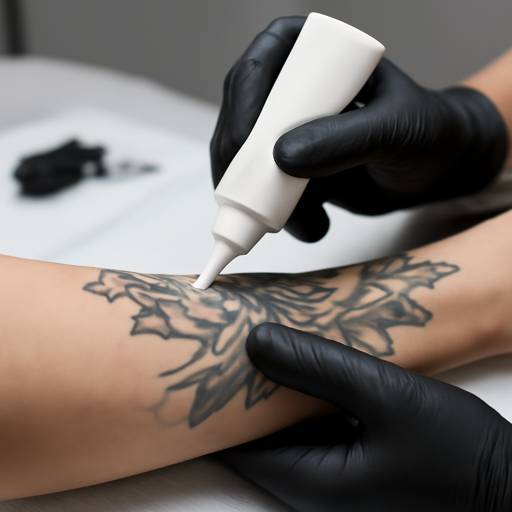
Once you’ve secured an authentic tattoo numbing cream, the technique matters enormously. Start with clean, dry skin. Wash the area with soap and water, then dry it thoroughly. Avoid alcohol wipes immediately before application, as they can over‑dry the skin and hinder absorption. Apply a thick, even layer of the cream—don’t rub it in like a moisturiser; you want a visible white blanket sitting on top of the skin. Cover it with a non‑porous cling film wrap, which traps heat and moisture, activating the occlusive process that drives the active ingredients deep into the dermis. Most top‑tier formulas need between 60 and 90 minutes to reach peak effect. The wrapped area may tingle or feel slightly cool—that’s normal. Some artists ask clients to arrive with the cream already applied and wrapped, which is perfectly safe as long as the client follows timing and hygiene rules.
Timing is crucial for a seamless studio experience. If the cream is left on too long—say, three hours—it can break down and start wearing off, or the skin can become overly saturated and slippery, making stencilling difficult. If it’s removed too early, you’ll only catch the tail end of the numbing window. I’ve personally seen sessions where an artist removed the wrap at 45 minutes, tested a tiny spot, and had to pause while the remaining effect kicked in. A good rule of thumb for tattoo numbing cream uk users is to apply the cream at home, set a timer, and arrive at the studio ready for the artist to uncover and wipe the area. The artist can then immediately begin their clean‑up shave and stencil application, confident that the skin is numb without being wet.
Another critical factor is the duration of numbness. High‑quality creams, including the ones frequently referenced by UK professionals, can provide solid anaesthesia for three to five hours after the wrap comes off. For large pieces that require a full day’s work, some artists will reapply a second, thinner layer once the outlines are done, ensuring the shading phase remains comfortable. However, reapplication should only happen on broken skin after consulting the artist, as absorption through open tissue can be much higher. Always discuss your pain management plan during the consultation so the artist can schedule breaks and check‑ins accordingly.
Safety concerns are understandable, especially when you’re buying a product that alters nerve function. In the UK, the Medicines and Healthcare products Regulatory Agency (MHRA) classifies many topical anaesthetics as medicines, but creams containing lidocaine at 5% or less are generally available as cosmetic products when sold by registered brands. The key is not to exceed the recommended application area or time. Avoid using numbing cream on large, broken skin surfaces, near the eyes, or on mucous membranes. If you have a heart condition, are pregnant, or take certain medications, speak to your GP before use. Responsible use, combined with a genuine product from a trusted UK retailer, makes the risk profile extremely low—certainly lower than the risk of fainting or moving involuntarily during a long tattoo session.
Real‑World Stories: How Tattoo Numbing Cream Transforms Sessions Across the UK
Sometimes the best way to understand a product is to see it in action. Take the story of a client from Leeds who had spent three years dreaming of a full Japanese‑style back piece. She was no stranger to ink—her arms were already covered—but the thought of eight hours on the spine and ribs made her stomach turn. Her artist suggested she try a tattoo numbing cream he trusted. She applied it at home, wrapped the area, and arrived nervous. Forty‑five minutes later, the artist peeled back the film and began his work. For the first time, she actually enjoyed the process. She sat still, chatted, and watched the design come to life without the teeth‑gritting discomfort she had dreaded. The artist was able to complete the entire outline and a good chunk of shading in one sitting—something he said would have taken two sessions otherwise.
In another instance, a busy London studio specialising in hyper‑realistic portraits started offering a numbing cream as a standard add‑on for appointments longer than three hours. The reaction from regular clients was overwhelmingly positive. One client, who previously needed a ten‑minute break every hour during a chest piece, reported that the session felt more like a gentle scratching than the white‑hot burning he remembered. The artist noted that his line work was “noticeably cleaner” because the client wasn’t flinching every few seconds. Even the studio’s atmosphere improved—less tension in the room, fewer flared tempers, and a calmer creative energy.
These experiences aren’t outliers. Across the UK, from Birmingham to Edinburgh, the quiet adoption of tattoo numbing cream is reshaping what clients expect and what artists can deliver. Small, independent studios are finding that recommending a uk numbing cream builds trust with nervous first‑timers, who then turn into loyal advocates. The technology hasn’t changed the artistry, but it has removed a major barrier, allowing more people to express themselves through ink without the trauma that used to come with the chair. When you hear an artist say, “It’s not about being tough anymore,” you realise just how far the industry has moved.
For the UK customer, the takeaway from these real‑world examples is clear: the right tattoo numbing cream isn’t a cheat; it’s a bridge. It connects the client to the art with less fear, connects the artist to a stable canvas, and connects the whole process to a future where pain doesn’t have to be the price of admission. Whether you’re sitting for a delicate inner bicep piece or a massive chest panel, knowing how to find, select, and apply a high‑quality numbing cream puts you back in control. The creams that work best are those that are genuine, properly tested, and backed by clear instructions—nothing more, nothing less.
What makes the UK market particularly exciting right now is the level of education that has grown around these products. Online communities of artists and collectors openly share application tips, review formulas, and warn each other about counterfeits. This collective knowledge, combined with easy access to tattoo numbing cream uk options, means that someone walking into a studio in Cardiff or Newcastle in 2025 has more power over their experience than ever before. The needle still does its work, the ink still settles into the dermis, and the art remains permanent—but the journey to get there no longer has to hurt.

Prague astrophysicist running an observatory in Namibia. Petra covers dark-sky tourism, Czech glassmaking, and no-code database tools. She brews kombucha with meteorite dust (purely experimental) and photographs zodiacal light for cloud storage wallpapers.